


Plant Pathology
The postgraduate programmes (M.Sc. and Ph.D.) in Plant Pathology are designed to provide advanced knowledge and research training in the diagnosis, etiology, and management of plant diseases. These programmes focus on understanding host–pathogen interactions, disease epidemiology, molecular diagnostics, biological control, and integrated disease management. With a strong blend of coursework, laboratory experimentation, field exposure, and original research, students develop critical analytical and practical skills. The programmes aim to produce highly skilled professionals capable of addressing emerging plant health challenges, contributing to sustainable agriculture, food security, and global plant health initiatives.
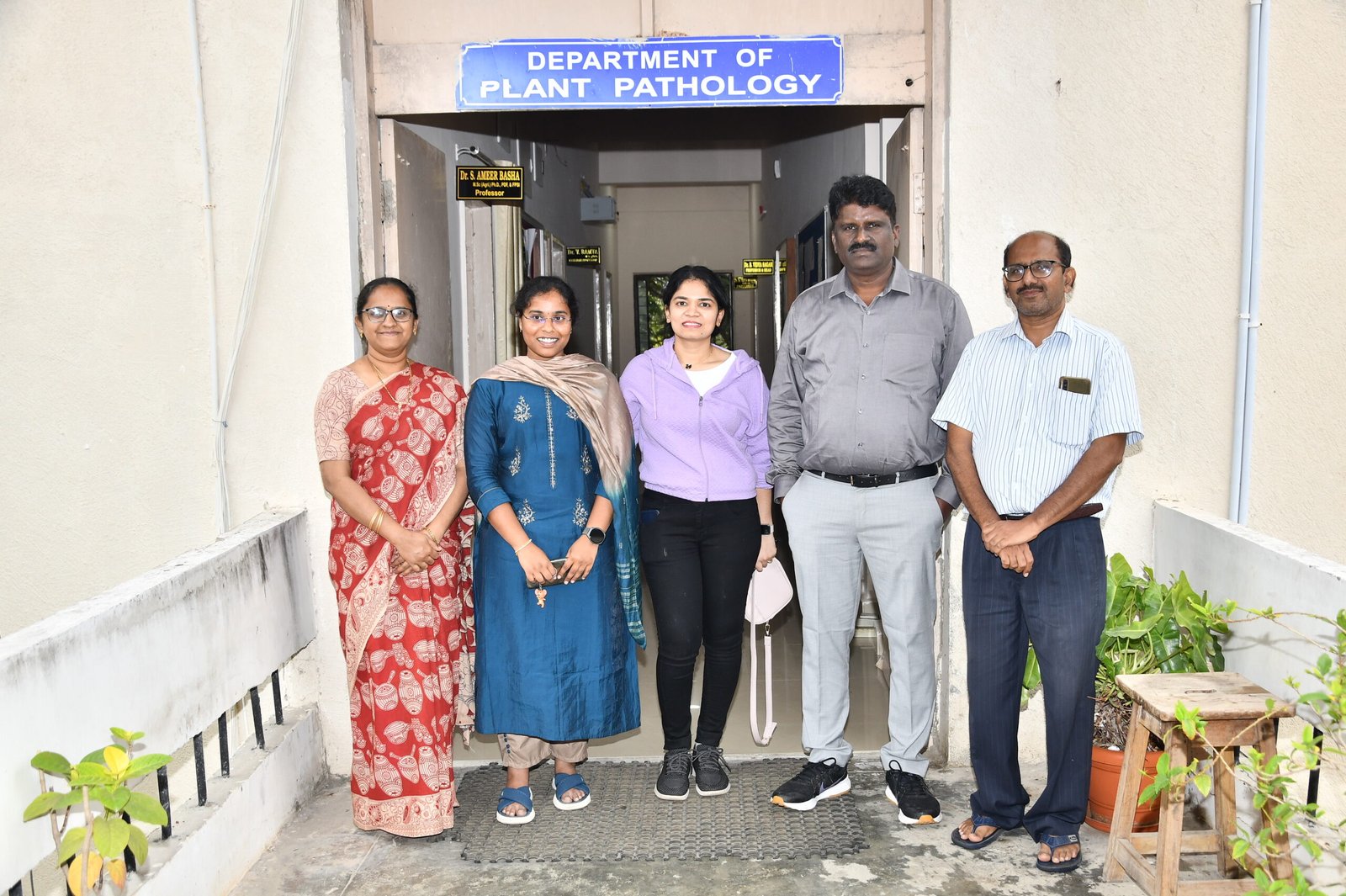
Teaching Staff Details
| Sl. No | Name | Designation | Field of Specialization | Contact Details | Photo |
|---|---|---|---|---|---|
| 1 | Dr. B. Vidyasagar | Professor and Head of the Department | Mycology |
bvidyasagar24@gmail.com |

|
| 2 | Dr.B. Pushpavathi | Professor & University Head | Post Plant Resistence & Seed Pathology |
pushpaboyapati@gmail.com |

|
| 3 | Dr. B. Rajeshwari | Professor | Plant Pathology |
rajeshwari_bodduluri@rediffmail.com |

|
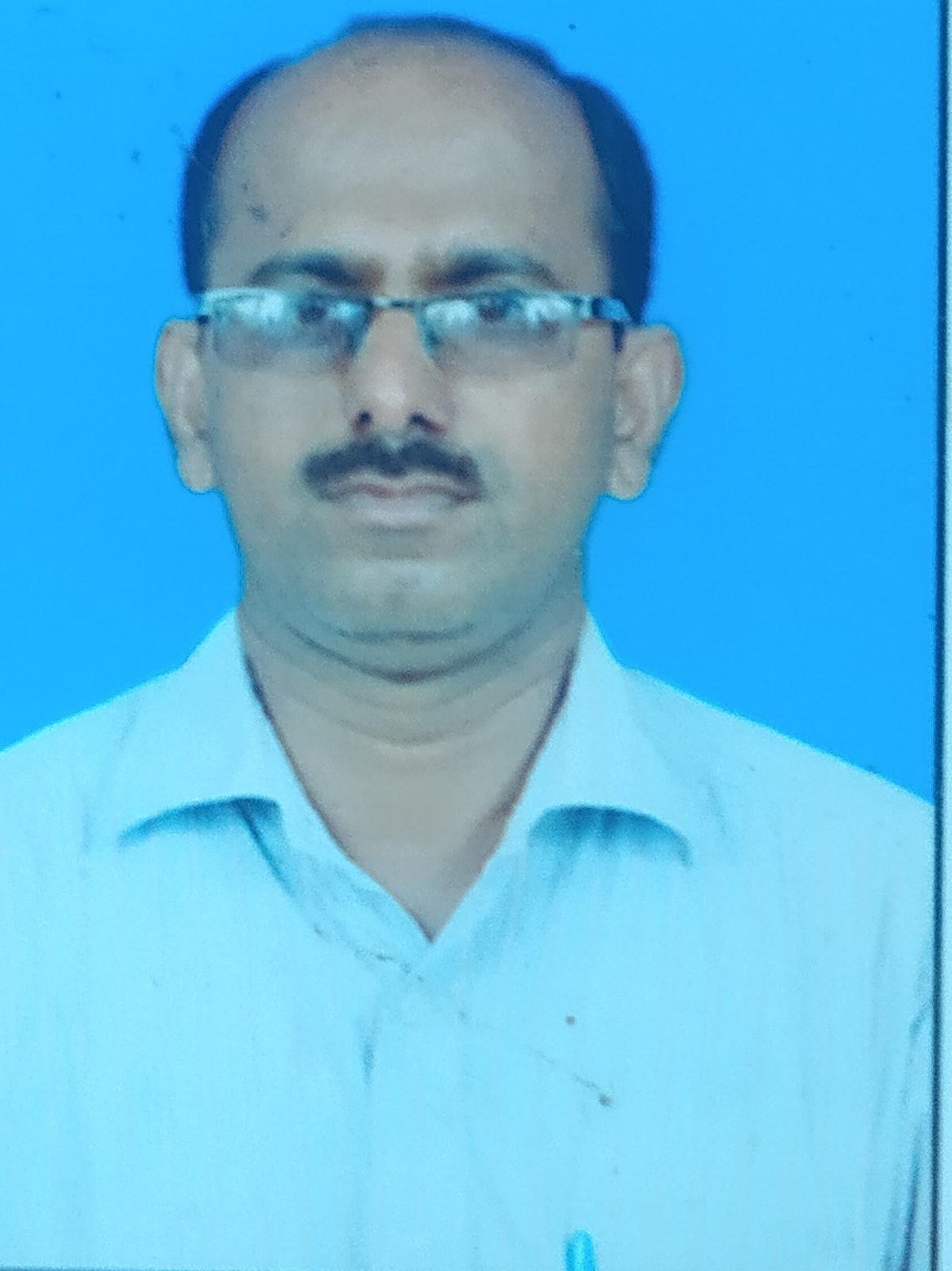
| 4 | Dr. S. Ameer Basha | Associate Professor | Bacteriology |
ameerplantpath@gmail.com |
|
| 5 | Dr. M. Prameela | Senior Scientist | Mushroom |
mangalpudip@yahoo.com |

|
Student Experiences