

Plant Pathology

The postgraduate programmes (M.Sc. and Ph.D.) in Plant Pathology are designed to provide advanced knowledge and research training in the diagnosis, etiology, and management of plant diseases. These programmes focus on understanding host–pathogen interactions, disease epidemiology, molecular diagnostics, biological control, and integrated disease management. With a strong blend of coursework, laboratory experimentation, field exposure, and original research, students develop critical analytical and practical skills. The programmes aim to produce highly skilled professionals capable of addressing emerging plant health challenges, contributing to sustainable agriculture, food security, and global plant health initiatives.
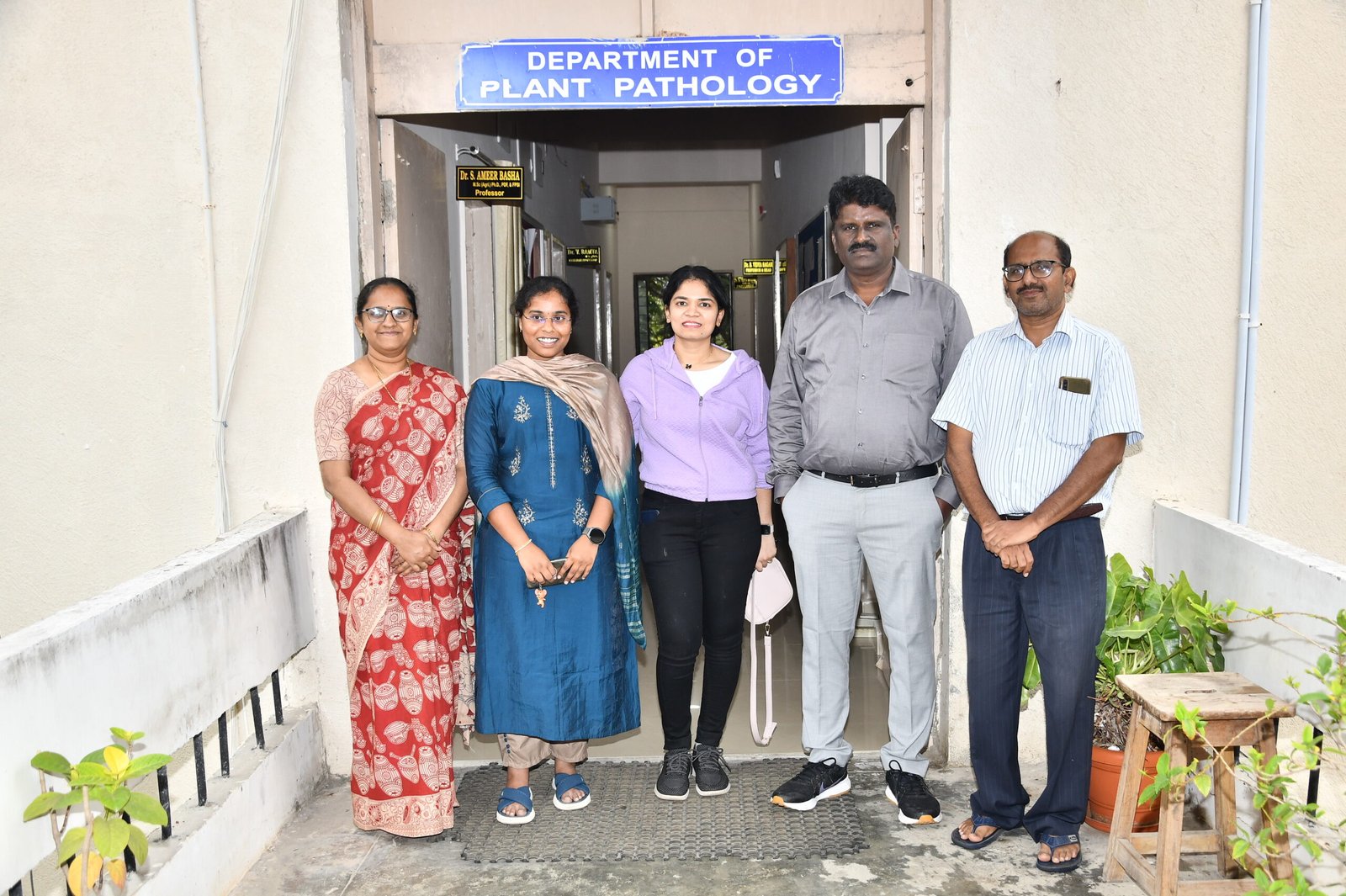
    Teaching Staff Details

    Sl. No Name Designation Field of Specialization Contact Details Photo
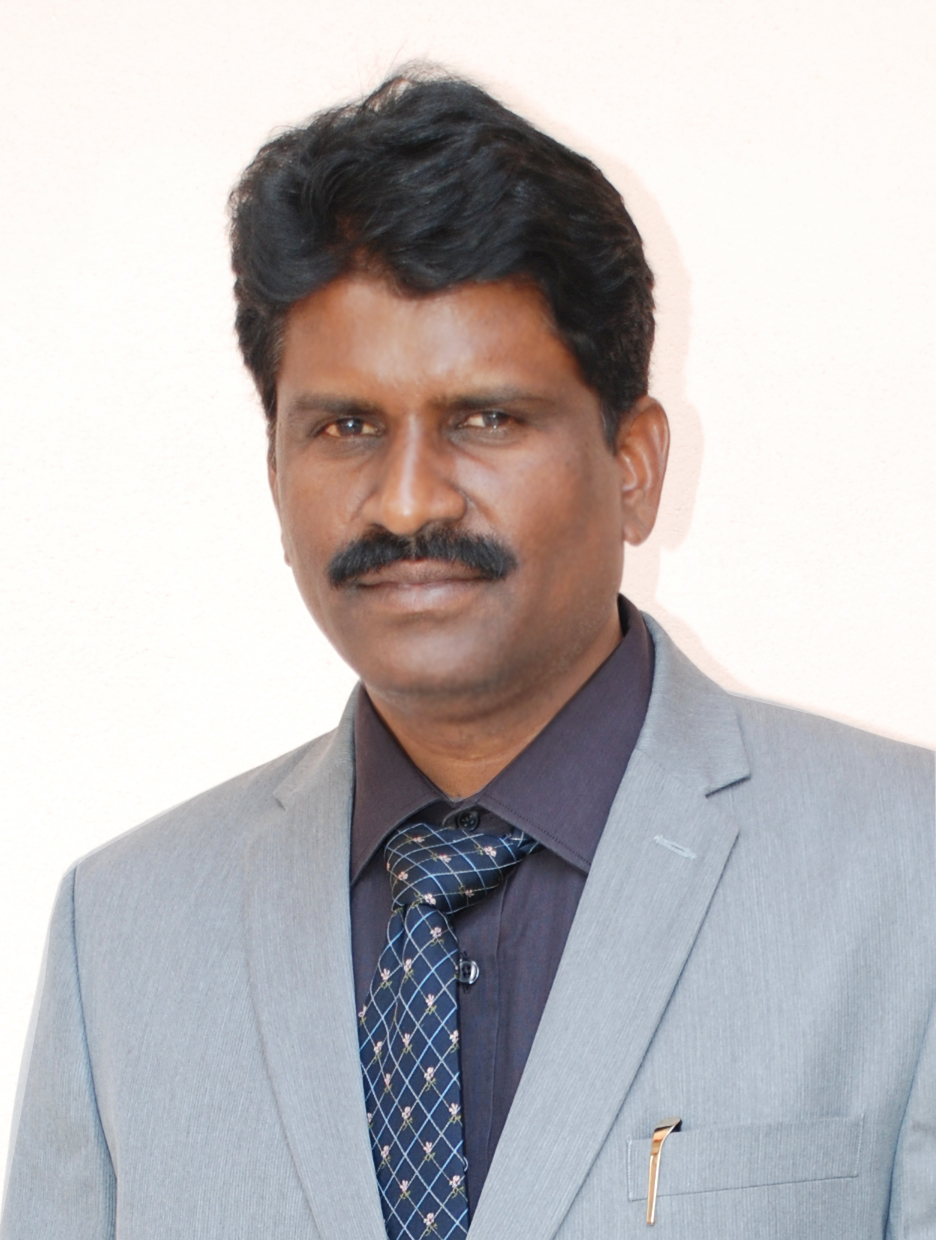
    1 Dr. B. Vidyasagar Professor and Head of the Department Mycology Phone: 7032614463
    Email: bvidyasagar24@gmail.com
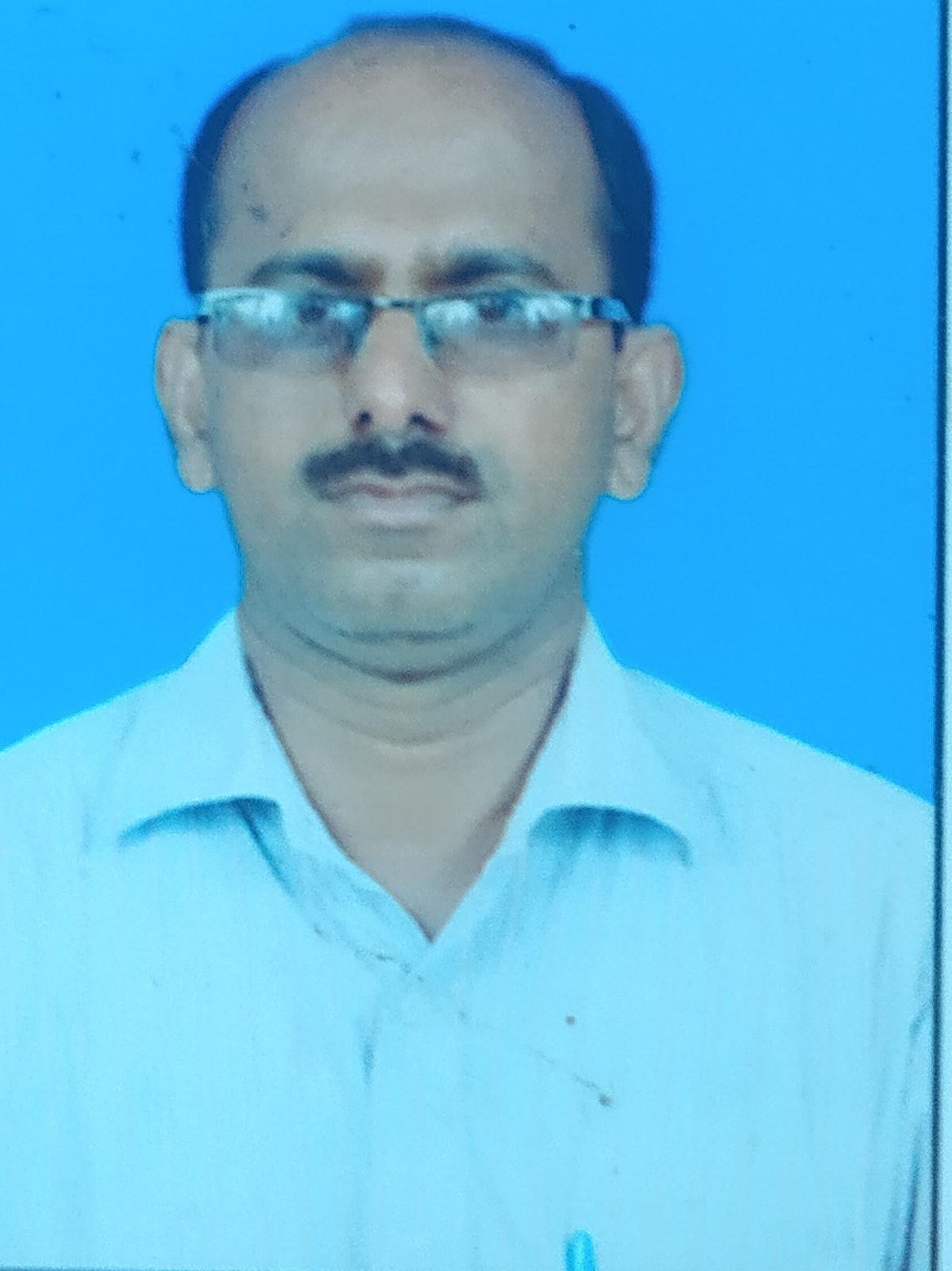
    2 Dr. B. Rajeshwari Professor Plant Pathology Phone: 9912655843
    Email: rajeshwari_bodduluri@rediffmail.com
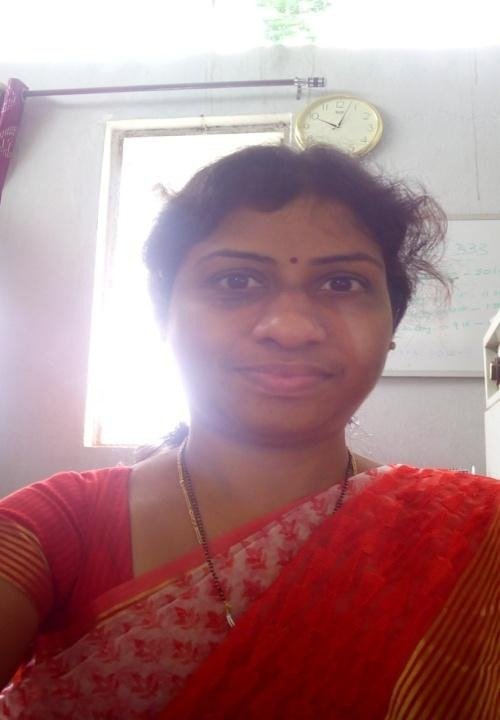
    3 Dr. S. Ameer Basha Associate Professor Bacteriology Phone: 9490482541
    Email: ameerplantpath@gmail.com
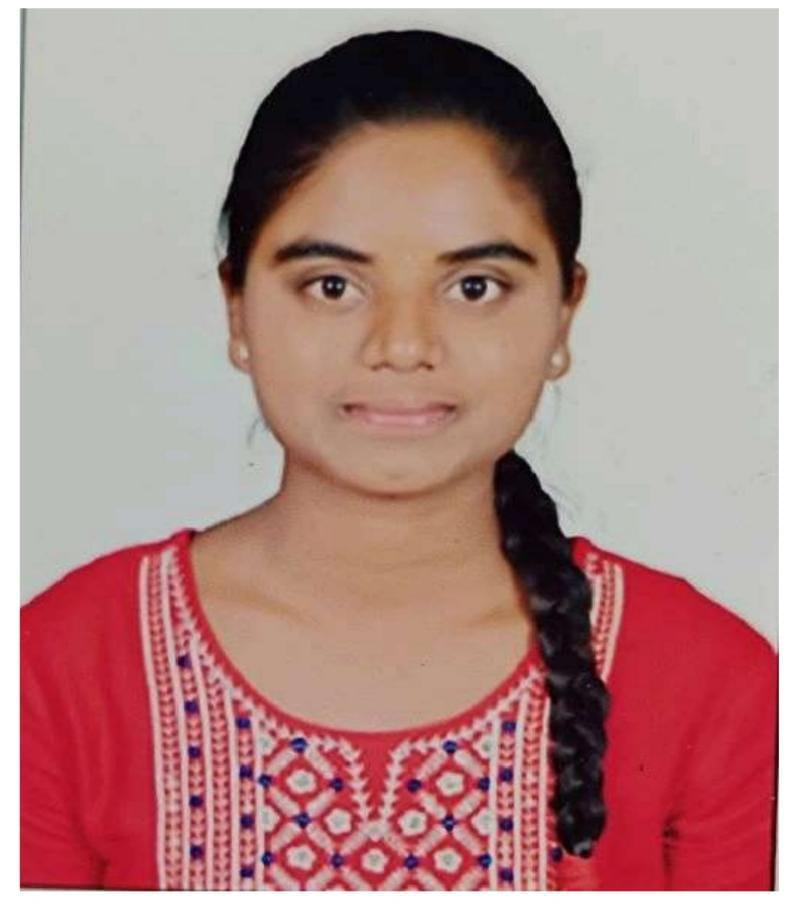
    4 Dr. M. Prameela Senior Scientist Mushroom Phone: 9866706545

    Student Experiences

    " I am K. Lavanya, completed my post graduation in Plant Pathology during 2024 at the Department of Plant Pathology from PJTAU. Proud to be student of PJTAU. Faculties at this department are experienced and easily approachable to clear our doubts. In masters I had worked on Biological Management of Groundnut Stem Rot caused by Sclerotium rolfsii Sacc. Research work and seminar helped me to improve my confidence level to carryout research work independently. "

    – Lavanya .K

    I am K. Aravind, Ph.D. scholar in the Department of Plant Pathology, College of Agriculture, Professor Jayashankar Telangana State Agricultural University, Rajendranagar, Hyderabad. The well-structured curriculum, aligned with ICAR guidelines, strengthened my theoretical knowledge and practical skills. The hands-on experience gained through the practical classes enhanced my diagnostic and analytical abilities, enabling me to independently conduct field and laboratory experiments. Further, this academic and practical exposure shaped me to undertake research on “Insights into the host-pathogen interaction and management of Fusarium wilt disease incited by Fusarium oxysporum f. sp. ricini in castor.” The seminars presented during the coursework improved my communication skills and encouraged me to actively participate in seminars, symposia and research workshops, further expanding my academic exposure.

    K. Aravind